
corropro protectionDec 13, 20230 Comments
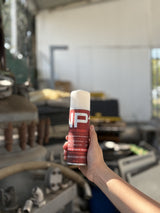
Corrosion inhibitors: NP1
Safeguarding Metals Against Oxidation
Corrosion, a chemical process in which a metal reacts with its environment and oxidizes, represents a significant threat to the integrity of metals, with potential economic and environmental repercussions.
There are two main forms of corrosion: internal and external. Internal corrosion develops inside metals, such as in pipelines or ducts, while external corrosion affects the surface of metals exposed to the elements.
Corrosion inhibitors
Corrosion inhibitors are substances designed to reduce the rate of corrosion in metals and can be chemical, physical or biological.
Chemical inhibitors are the most common, forming a barrier between the metal and its environment to prevent oxidation.
Physical inhibitors alter the physical properties of the metal, making it more resistant to corrosion.
Biological inhibitors employ microorganisms to degrade corrosion products.
NP1: An External Corrosion Inhibitor
NP1, developed by a Mexican materials engineering laboratory, is an environmentally friendly external corrosion inhibitor made from vegetable fats.
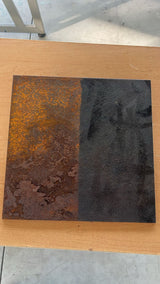
This product forms an invisible barrier on the surface of metals, preventing oxygen and moisture from reacting with the metal, thus protecting it against corrosion.
NP1 has proven effective in laboratory and field conditions, protecting metals for up to 6 months in corrosive environments, such as those exposed to the elements in coastal areas.
Benefits of Using NP1
Effective Corrosion Protection: NP1 has demonstrated its ability to protect metals for up to 6 months in corrosive environments.
Sustainability: NP1 is an ecological product, made from vegetable fats.
Ease of Use: NP1 is easy to apply and does not require constant maintenance.
Conclusion
Corrosion inhibitors represent an essential tool to preserve metals from oxidation. NP1 emerges as an effective and sustainable external corrosion inhibitor , capable of extending the life of metals and ensuring their continued protection.
Read more